
What this result can (and can’t) tell you
This result highlights patterns and tendencies — not a diagnosis or a fixed category.
Many children show traits from more than one reader type, and those patterns can change over time.
If your child landed in the Visual / Format-Driven Reader category, you likely have a reader who connects most easily through how a book looks, feels, or is structured — not just the words on the page.
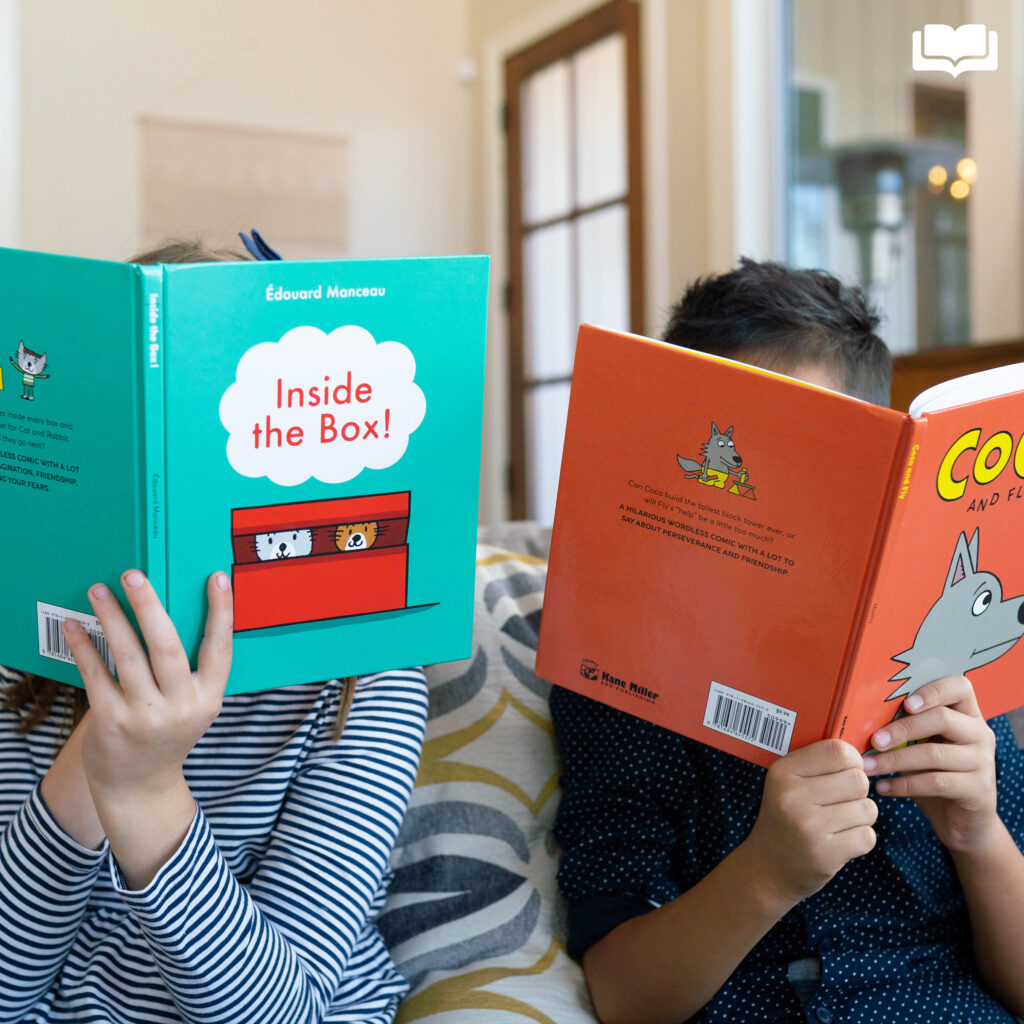
These readers are often highly observant and thoughtful. They may gravitate toward graphic novels, illustrated books, manuals, diagrams, or audiobooks, and lose interest quickly when text feels dense, uniform, or visually overwhelming.
This doesn’t mean they’re avoiding reading — it means their brain processes information more comfortably through visuals, layout, or alternative formats. When reading aligns with how they naturally engage, comprehension and enjoyment often increase.
This reader type is more common than many parents realize — and it doesn’t mean anything is wrong with your child or with how you’ve supported them.
Why does this happen?
- Visual layout helps the brain organize information before meaning clicks.
- Long stretches of uninterrupted text can feel overwhelming, even for capable readers.
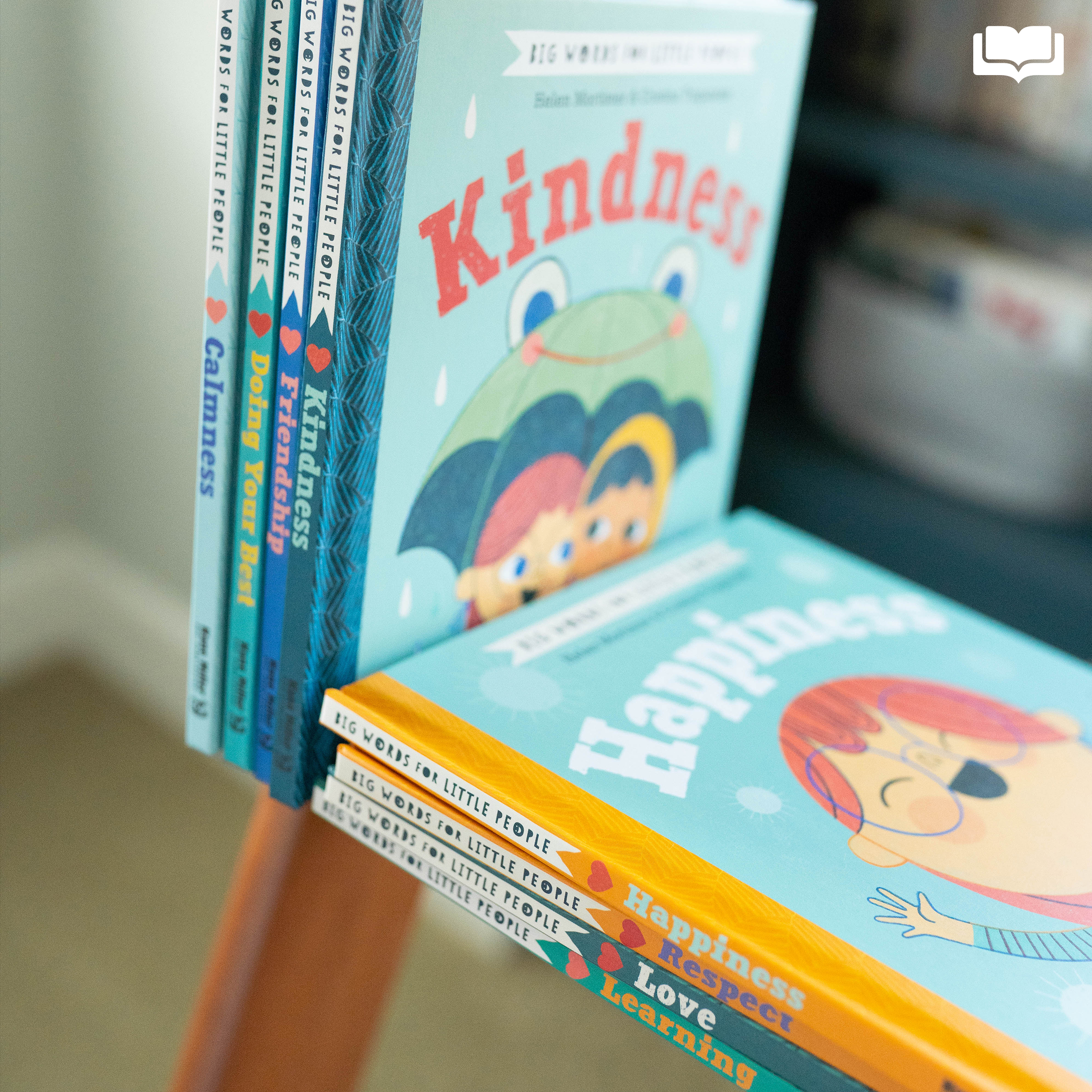
- Images, spacing, and structure make it easier to enter the story or topic.
- Engagement and stamina often increase when the format reduces friction.
What often helps Visual Readers re-engage
Visual readers often engage more easily when information feels organized, inviting, and easy to enter. Layout, spacing, and visual cues help reduce cognitive load and make it easier for the brain to process what’s on the page before meaning fully clicks.
When reading feels visually manageable — through images, clear structure, or varied formats — confidence and stamina tend to grow. Small shifts in presentation can make reading feel less overwhelming and more approachable, even for capable readers.

Shifting when, where, and how reading happens
When → Shorter bursts support focus
Visual readers often engage best in brief, low-pressure sessions. A few pages at a time can feel more inviting than long, uninterrupted reading blocks.
Where → Visual comfort matters
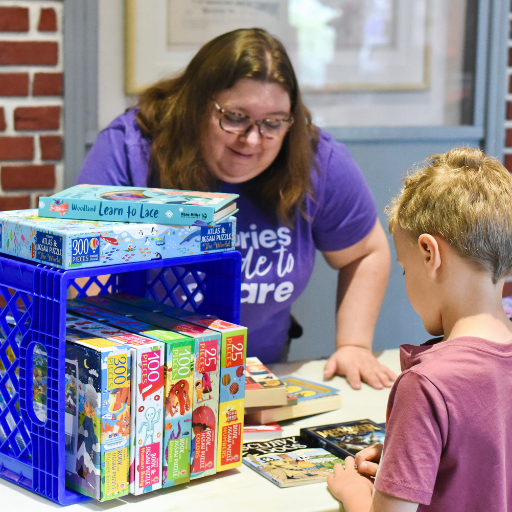
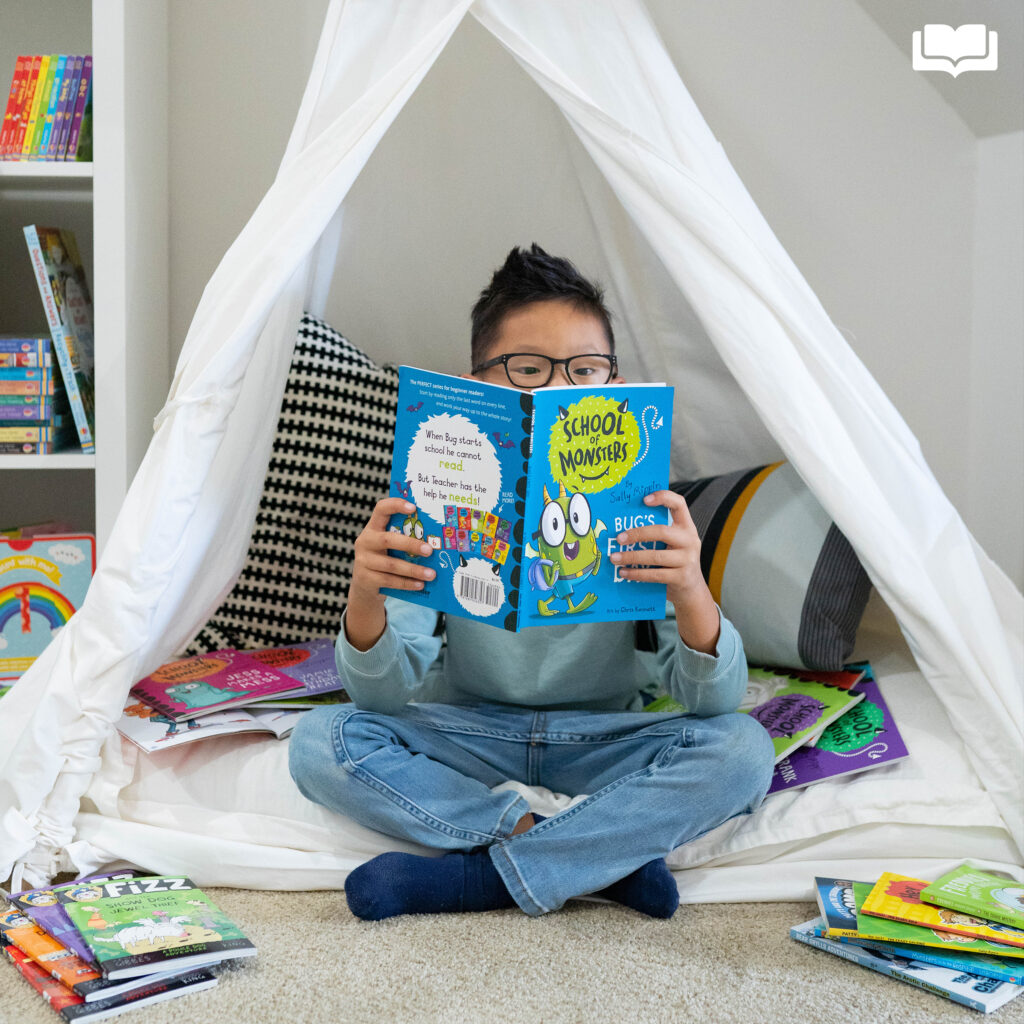
Good lighting, comfortable seating, and minimal visual clutter help reduce distractions. A cozy, visually calm space can make it easier to settle into a book.
How → Let format do some of the work
Graphic novels, illustrated nonfiction, audiobooks paired with print, and clearly structured pages help information feel more accessible and less overwhelming.
Follow visual cues:
Notice what draws their attention — covers, illustrations, diagrams, or page layout — and lean into those features when choosing books.
One small reminder:
You don’t need to change everything at once. One format shift or small visual adjustment is enough to begin.
If you want book ideas to try next:
Book ideas that often work well for this reader
These picks are chosen to make reading feel easier to enter — using format, visuals, and structure to support engagement.