
What this result can (and can’t) tell you
This result highlights patterns and tendencies — not a diagnosis or a fixed category.
Many children show traits from more than one reader type, and those patterns can change over time.
If your child landed in the Reader Who Needs Flexibility & Support category, it usually means reading works best when expectations are adjusted to fit how your child engages — not the other way around.
These readers understand stories, ideas, and information, but traditional reading setups can create unnecessary barriers. When reading feels rigid, rushed, or narrowly defined, engagement drops — not because of a lack of interest, but because the format doesn’t match their needs.
This doesn’t mean something is wrong with your child, and it doesn’t mean reading isn’t for them. It simply means reading flourishes with flexibility, patience, and approaches that honor different ways of processing and participating.
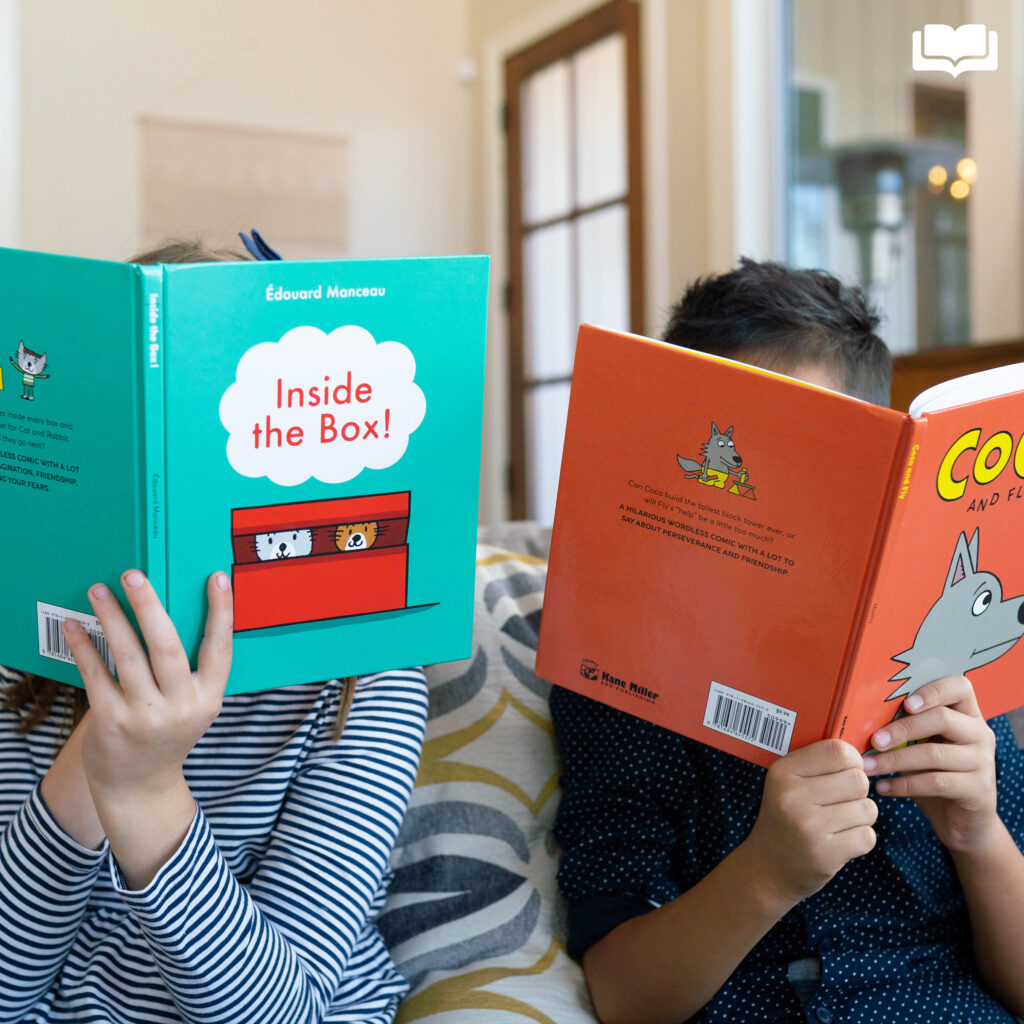
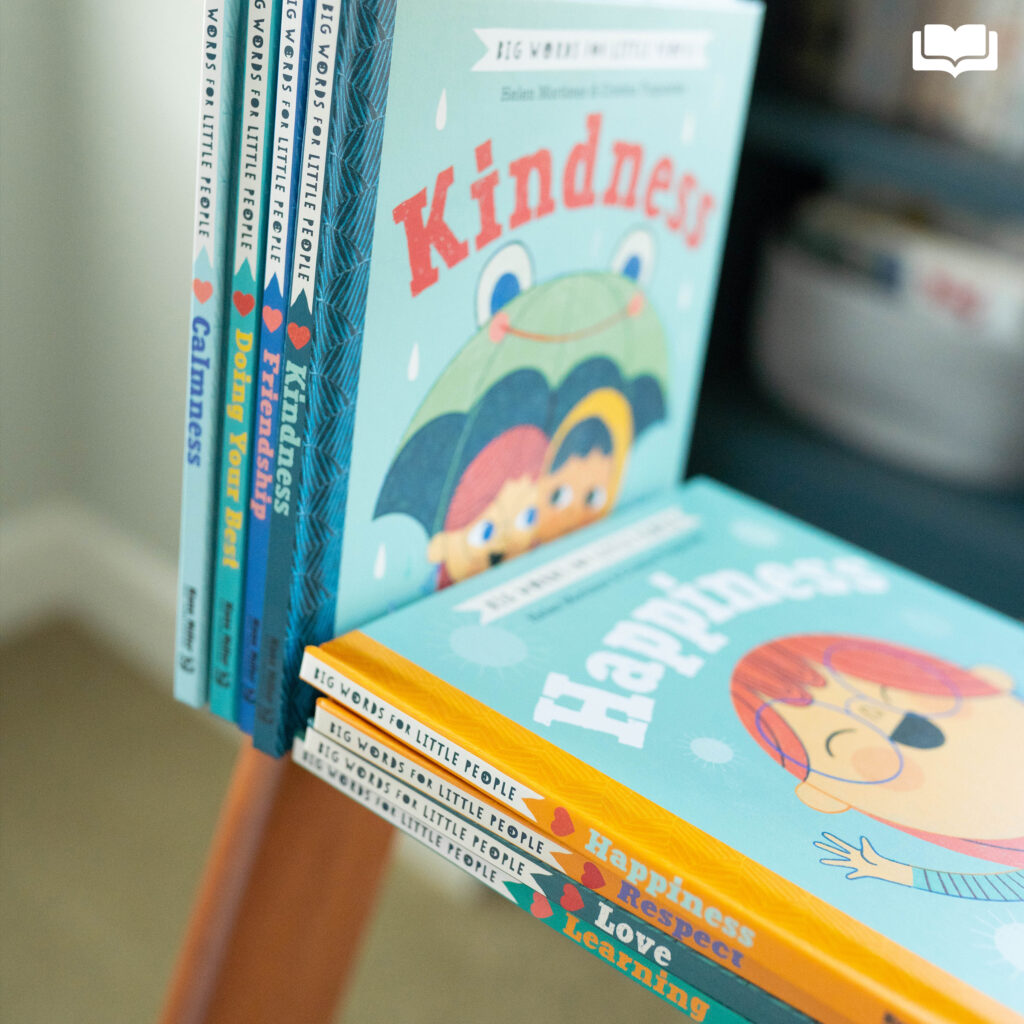
Why does this happen?
- Reading demands can stack up quickly when processing, attention, or sensory load is high.
- Traditional expectations often prioritize speed, stamina, or output over understanding.
- Rigid definitions of reading can unintentionally exclude capable readers.
- Engagement increases when barriers are removed and strengths are allowed to lead.
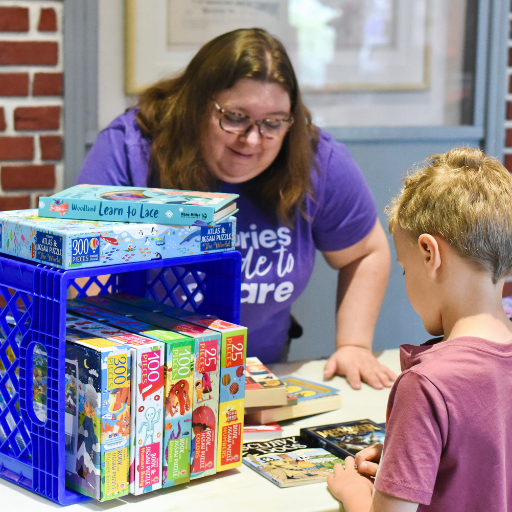
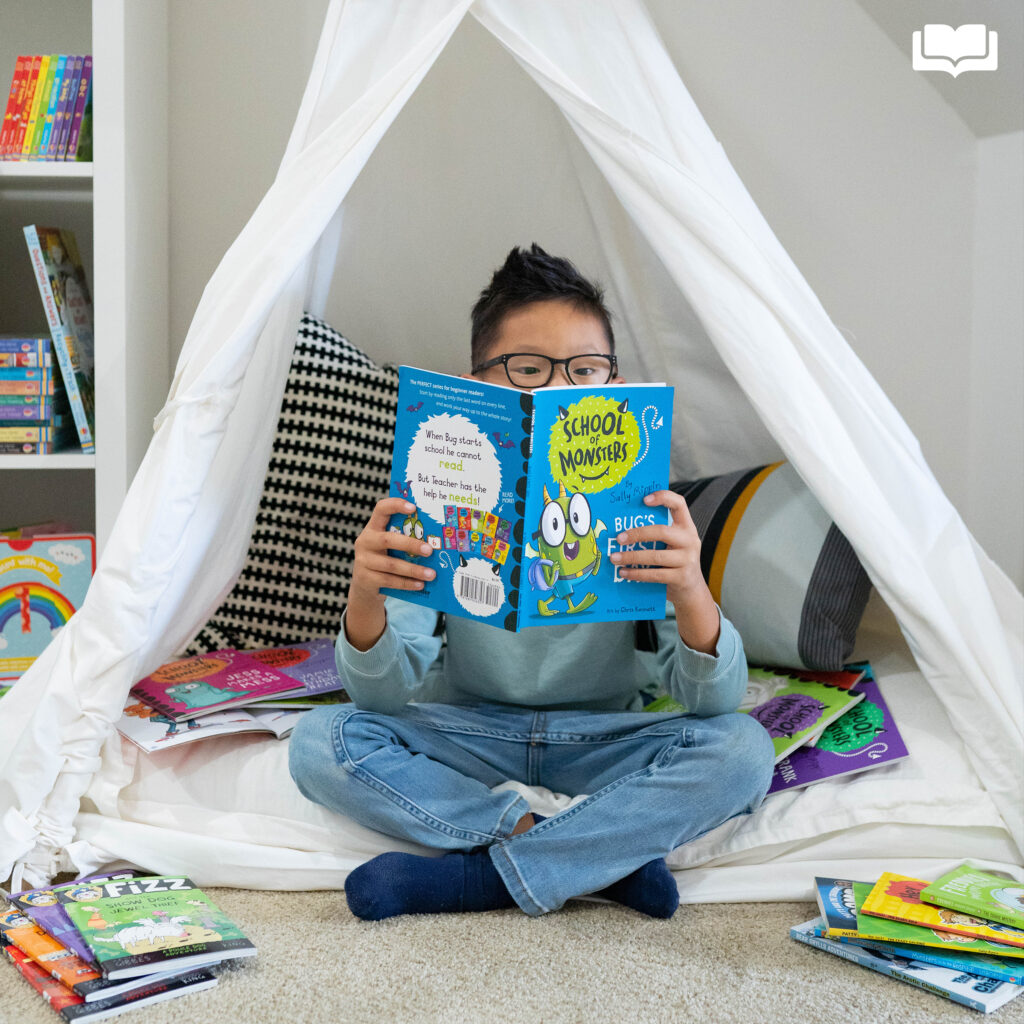
What often helps flexible learners re-engage
Readers who benefit from flexibility usually don’t need more pressure or repetition — they need permission to engage in ways that feel accessible and supportive. When reading is allowed to look different, confidence and curiosity often return.
Small adjustments in format, pacing, and expectations can make a meaningful difference. When comfort and understanding are prioritized over performance, reading becomes something these children can do — and often want to do.

Shifting when, where, and how reading happens
When → Energy and regulation matter
Reading is most successful when your child feels regulated and supported. Short sessions, breaks, or stopping early are all valid.
Where → Comfort supports focus
Reading doesn’t need to happen sitting still at a desk. Cozy spaces, movement-friendly setups, or being read to all count.
How → Expand what reading looks like
Audiobooks, shared reading, graphic formats, re-reads, and assistive tools all support comprehension and confidence.
Follow their cues:
Notice what draws their attention — covers, illustrations, diagrams, or page layout — and lean into those features when choosing books. Also, pay attention to signs of fatigue, frustration, or interest — and adjust without pushing through discomfort.
One small reminder:
You don’t need to fix everything. One flexible adjustment is enough to start changing how reading feels.
If you want book ideas to try next:
Book ideas that often work well for this reader
These picks are chosen to reduce barriers and support engagement through flexibility, access, and supportive formats.